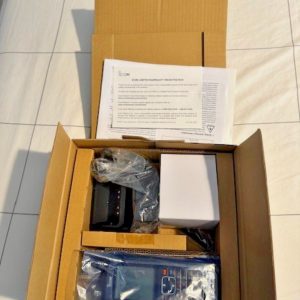
:::writingvariant="document" id="58314" ICOM IC-A25N Handheld NAV/COM Transceiver w/ Bluetooth – Open Box: Portable Aviation Radio The ICOM IC-A25N Handheld NAV/COM Transceiver w/ Bluetooth – Open Box offers practical cockpit, emergency, training, and ground-use functionality in a compact handheld format. A carefully inspected open-box package can offer the operational benefits of a premium handheld aviation radio while helping owners control equipment costs. A dependable ICOM IC-A25N Handheld NAV can become an important part of a pilot’s flight bag by providing portable communication capability whenever installed aircraft equipment is unavailable. As an ICOM IC-A25N Aviation Radio, the transceiver may be used during normal flight operations, communication training, airport monitoring, ground coordination, and emergency preparation. The compact ICOM IC-A25N Handheld Radio may be especially useful for pilots who operate multiple aircraft or frequently travel between airports and training locations. As a Handheld NAV/COM Aviation Transceiver, the unit combines portable communication with navigation-related functions in one organized device. Whether a buyer is sourcing a Handheld Aviation Radio, Aviation NAV/COM Radio, Pilot Handheld Radio, or Aircraft Communication Radio, actual operating needs should guide the selection. For many operators, the radio can combine the roles of Portable Aviation Transceiver, Aviation Communication Device, Handheld Aircraft Radio, and emergency backup equipment.
Understanding the ICOM IC-A25N Handheld NAV/COM Transceiver
This handheld transceiver offers pilots a convenient way to carry aviation communication equipment independently of the aircraft’s installed radio system. Its practical value comes from combining mobility, recognizable controls, aviation-focused operation, rechargeable power, and multiple communication or navigation functions. Users should understand that portable-radio coverage can differ from panel-mounted equipment connected to an external aircraft antenna. Operators should include the radio in normal equipment checks so batteries, accessories, and settings remain ready for use.ICOM IC-A25N Handheld NAV Applications
A handheld NAV radio can be valuable to flight instructors who demonstrate aviation communication and navigation concepts during training. Aircraft owners may keep the radio available when maintenance temporarily removes power from installed communication equipment. Navigation features should support rather than replace required pilot preparation, approved navigation equipment, current charts, and appropriate operational judgment. A complete preflight review can confirm that the radio is charged, configured, accessible, and ready to support the planned operation.Choosing an ICOM IC-A25N Aviation Radio
The handheld unit can support operations during aircraft maintenance, ramp movement, hangar work, or other situations where installed radios are not easily accessible. Pilots attending fly-ins or traveling through unfamiliar airports may appreciate having portable access to communication frequencies. Current photographs should show the radio body, display, controls, connectors, antenna, battery, charger, packaging, and included components. Remote buyers may request a video showing startup, menu operation, button response, audio output, charging status, and physical condition.ICOM IC-A25N Handheld Radio Portability
Portable operation can be valuable to users who fly several airplane types or who do not control the installed equipment available in every cockpit. The antenna should be protected from bending or crushing while the radio is transported with other equipment. Users can review the interface in a quiet environment rather than learning controls during engine operation or busy airport activity. Proper storage temperature and periodic charging can help preserve long-term battery and equipment performance.Maintaining a Handheld NAV/COM Aviation Transceiver
The device may be especially valuable to pilots who operate older aircraft, rented aircraft, or airplanes with limited redundancy. Commercial value depends on condition, package completeness, included equipment, seller support, and the cost of any missing accessories. A handheld transceiver becomes more dependable when it is included in routine preflight preparation rather than checked only during emergencies. After use, the device should be cleaned gently, charged as appropriate, disconnected from unnecessary accessories, and returned to protected storage.Choosing a Handheld Aviation Radio
Portable radio access can improve operational flexibility when users move frequently between aircraft and aviation environments. A handheld unit is most valuable when charged, accessible, tested, and familiar to the pilot before it is required. Radio performance can be affected by aircraft structure, cockpit location, antenna orientation, terrain, buildings, interference, weather, and distance. Responsible communication protects aviation operations and helps users gain the full value of a professional handheld radio.Choosing an Aviation NAV/COM Radio
A NAV/COM radio may support pilots who need backup communication while also valuing navigation-oriented information and operating flexibility. Menu familiarity, memory organization, display interpretation, audio control, and Bluetooth setup can improve efficient operation. A handheld device may provide valuable reference information but should not replace required installed equipment or approved procedures where those are necessary. Volume and squelch should be adjusted appropriately while avoiding unnecessary distraction.Maintaining a Pilot Handheld Radio
A portable radio can remain with the pilot when changing aircraft, allowing consistent access to a familiar communication device. The microphone, antenna, cables, headset adapters, and charger should be stored so they do not become tangled or damaged. Training may also include using the radio with gloves, in reduced light, with a headset, or in a noisy cockpit environment. Battery condition should be reassessed as the pack ages or shows reduced capacity, charging problems, unusual heat, or physical changes.Choosing an Aircraft Communication Radio
The IC-A25N can become part of an organized communication strategy for private pilots and aviation businesses. Headset and Bluetooth accessories should be tested for microphone quality and audio clarity before operational use. Moving the radio or antenna within the cockpit may influence reception, but it must remain secure and clear of controls. A cracked housing, loose antenna connection, damaged battery latch, or unreliable control can affect usability even when the radio still powers on.Portable Aviation Transceiver Applications
The ability to carry the radio personally helps operators maintain access to familiar controls and stored settings. A protective case can separate the radio from tools, keys, metal objects, liquids, and heavy equipment inside a flight bag. Bluetooth operation should be tested in advance because pairing status, battery condition, compatibility, audio routing, and device settings can influence performance. Wireless convenience should not replace disciplined Aviation NAV/COM Radio equipment checks and familiarity with standard radio controls.Aviation Communication Device Applications
Pilots should select communication equipment according to mission requirements, aircraft type, operating area, training needs, and backup planning. An open box may result from display, return, inspection, testing, damaged packaging, or another non-operational reason. Aviation businesses should establish procedures for cleaning shared microphones, headsets, controls, and surfaces where appropriate. Clear labels and quick-reference instructions can reduce setup errors without replacing the complete operating manual.Handheld Aircraft Radio Applications
The radio’s portable form allows pilots to monitor or communicate without remaining seated at the aircraft instrument panel. Using the radio on the ground can preserve aircraft battery power and reduce the need to energize installed avionics solely for monitoring or coordination. The unit must remain accessible without forcing the pilot to look away from primary responsibilities for an extended period. The radio should be cleaned only with suitable methods that do not damage the display, housing, seals, labels, or controls.Choosing an Aviation Navigation Radio
Navigation functions can add value during training, planning, route familiarization, and backup preparation when used appropriately. Students should receive appropriate instruction so the device supports learning rather than creating misunderstanding or distraction. A handheld radio should not be treated as a substitute for equipment or procedures required by regulation, aircraft approval, or operating conditions. Careful preparation allows an Aviation Navigation Radio to provide practical value without increasing cockpit workload unnecessarily.ICOM Pilot Radio Applications
Pilots may choose an ICOM Pilot Radio because they want one familiar handheld device for training, travel, cockpit backup, and ground operations. Accessories, manuals, packaging, warranty eligibility, and previous registration may affect the practical and commercial value of the radio. Businesses may value durability, accessory replacement, consistent training, and the ability to assign one radio across several users. A protective case and consistent charging routine can help preserve the equipment and prevent missing accessories.Using an Emergency Aviation Radio
The IC-A25N can become part of a broader emergency equipment strategy appropriate to the aircraft, route, environment, and pilot’s needs. A written quick-reference guide may help, but it should remain simple enough to use without creating distraction. Bluetooth or wired audio arrangements should be tested before flight and should not be assumed to work automatically during an emergency. The radio should be tested periodically without making unauthorized transmissions or interfering with operational frequencies.Backup Aircraft Radio Applications
Pilots who operate several aircraft can carry the same Backup Aircraft Radio and remain familiar with its controls across different cockpit layouts. Stored batteries can lose capacity, accessories can become misplaced, settings can change, and physical damage may go unnoticed. Each audio method should be tested in advance under realistic cockpit noise conditions. The handheld radio should support safe aircraft management rather than draw attention away from immediate flight responsibilities.Inspecting an Open-Box ICOM IC-A25N
The display should illuminate correctly and remain free from major damage, unreadable sections, or unexplained visual problems. Buyers should ask whether the radio was displayed, returned, tested, paired, charged, transmitted with, or previously registered. The Bluetooth system should be checked for pairing, audio routing, connection stability, and compatibility with supported equipment. The buyer should inspect the radio promptly after delivery and report any missing items, damage, or functional concerns according to the agreed terms.Maintenance and Long-Term Radio Care
Preventive care helps preserve the display, controls, battery, housing, antenna connection, charger, and accessories. Maintenance should be completed before the radio is needed for an important flight or emergency role.- Review the complete package and remove the radio from backup service if physical or electronic condition is uncertain.
- Keep the operating guide or a simple quick-reference resource accessible until important functions are fully familiar.
- Store the radio, battery, charger, antenna, adapters, and documentation in a dry, organized, protected location after use.